Loading…
An overnight success,
20 years in the making.

In 2006, Andrew was making $6 an hour as a barista at a coffee shop in Victoria, British Columbia. Two of his regulars came in every morning and sat for hours at the espresso bar, nursing cappuccinos on the free Wi-Fi. They ran a small web design agency, charging a couple thousand dollars per site and making over $10,000 a month. In the meantime, Andrew made $1,500 per month and was taking the bus to work every day at 6AM to mop the floors.
So he started peppering them with questions. How did they find clients? What did they charge? How hard was it to learn? He scribbled the answers on the backs of receipts and did the math. It was simple, even for a college dropout: he was the guy making the espresso, and he wanted to be the guy drinking it.
So he walked to a nearby bookstore, bought a book on web design, and started pulling all-nighters teaching himself. He quit the coffee shop, moved into an unfurnished apartment, and started cold-emailing CEOs of startups he found on TechCrunch. His “agency” was him, alone, in his underwear. He asked his programmer friends if he could put their photos on the team page and told them he’d hire them if he actually won a job. The tagline: “We help people make cool stuff.”
Today, that one-man web design agency has grown into a public company that owns dozens of businesses and does over $0 million in annual revenue.
Getting there took a partner, many painful lessons, and a used book.
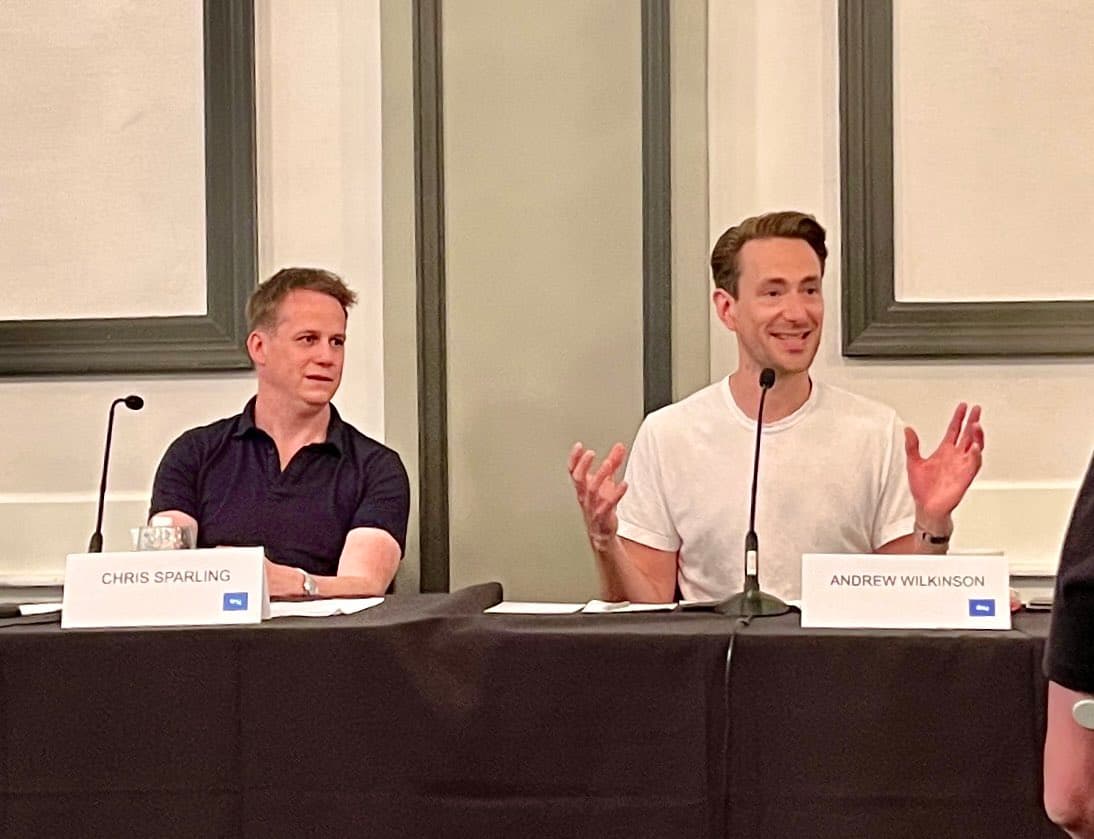
In 2009, Andrew walked into our local TD Bank on Douglas Street to get a business credit card. The teller said a financial advisor — a “Mr. Sparling” — would like to say hello. Chris Sparling looked more like the son of a financial advisor than the advisor himself: boyish face, no facial hair, an ill-fitting suit that hung off his small frame, his office covered in “top employee” plaques. Metalab was growing fast and Andrew needed someone who actually understood money. So he blurted out a question that would change both our lives.
“Would you ever leave the bank? I need a CFO.”
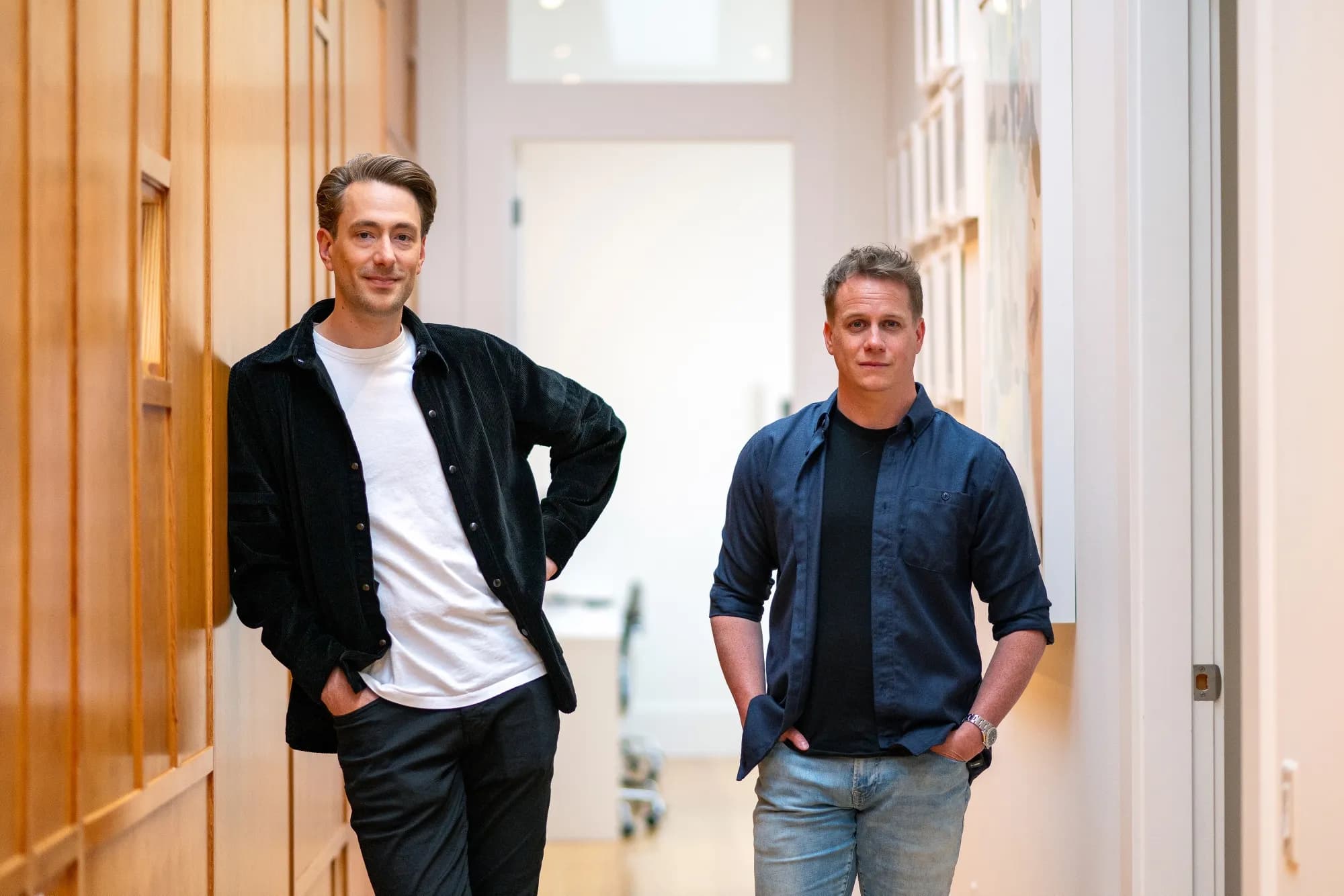
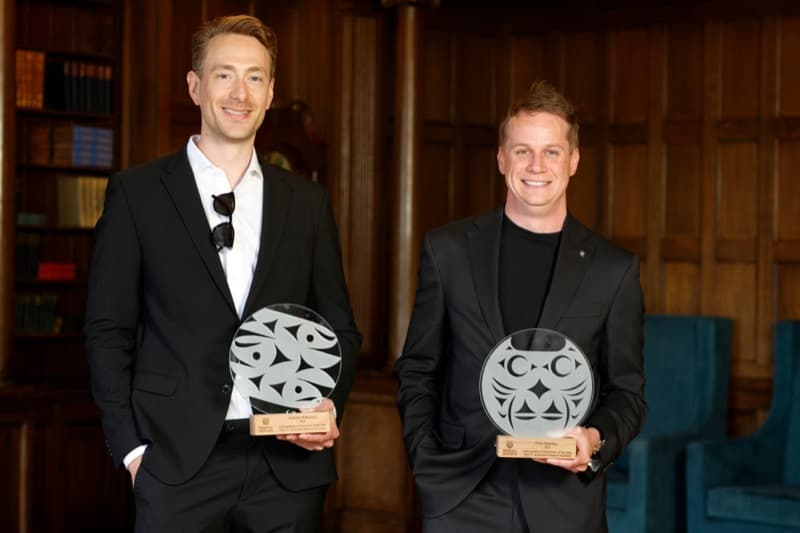
Chris quit a few weeks later. We’ve been partners ever since — Andrew spots the opportunity, Chris stress-tests it.
We used Metalab’s profits to start business after business. Designer cat furniture. A project management app. A newspaper. Online courses. We like to joke that we “stuck forks into electrical sockets” for a living — slowly learning through persistence and pain. Of the nine companies we started together, only one was a real success.
Then we sold one of our most profitable businesses. The price got renegotiated at the last minute. Our best people were let go. The culture we’d spent years building was optimized out of existence. It felt like handing your child to a step-parent and watching them treat them badly. We kept thinking: this can’t be how it works.
We had a few million dollars from the sale and no idea what to do with it. Andrew wandered into a local bookstore looking for something on investing and picked up The Warren Buffett Way. It blew his mind. Here was someone doing it the right way — buying wonderful businesses from founders and simply letting them run. No renegotiating. No replacing the team. No MBAs helicoptered in to “optimize” things. If Buffett could do it at huge scale, why couldn’t we do it for small tech businesses like ours?
So we stopped starting and started buying. Not to flip, not to strip for parts, and not to merge into some bloated conglomerate. Just to own them, support them, and leave the people who built them alone.
We called the holding company Tiny — because private equity firms all had ridiculous, self-important names like BlackRock, Greywolf, and Maverick. Tiny felt honest. And frankly, kind of funny. We’d be the buyer we wished we’d had.
That was 13 years ago. We’re still at it.
By the numbers
Twenty years of starting and buying wonderful businesses, and letting them run.
21
Companies
11
Businesses Founded
$260M+
Annual Revenue
100M+
People Use Our Products
That’s the highlight reel.
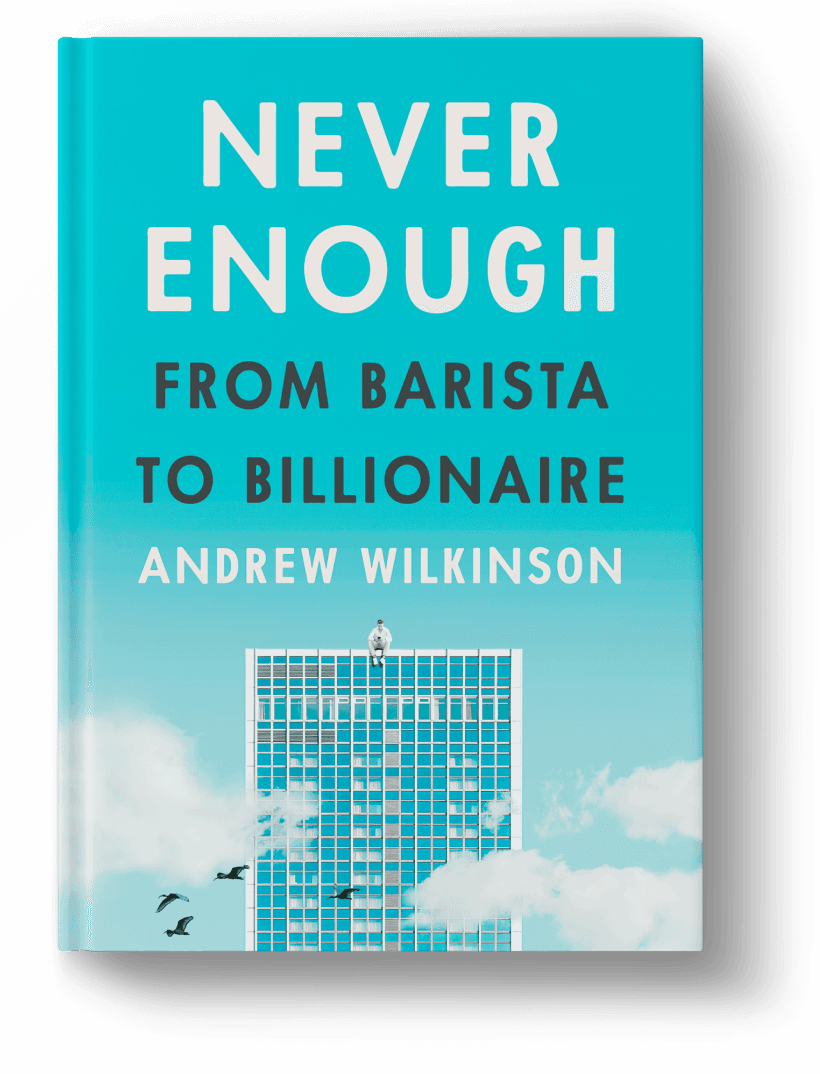
The full story — the sketchy CEO, the $70M cold email, dinner with Charlie Munger, and what happened when we almost walked away from it all — is in the book.
Our journey
2006
Metalab is Born
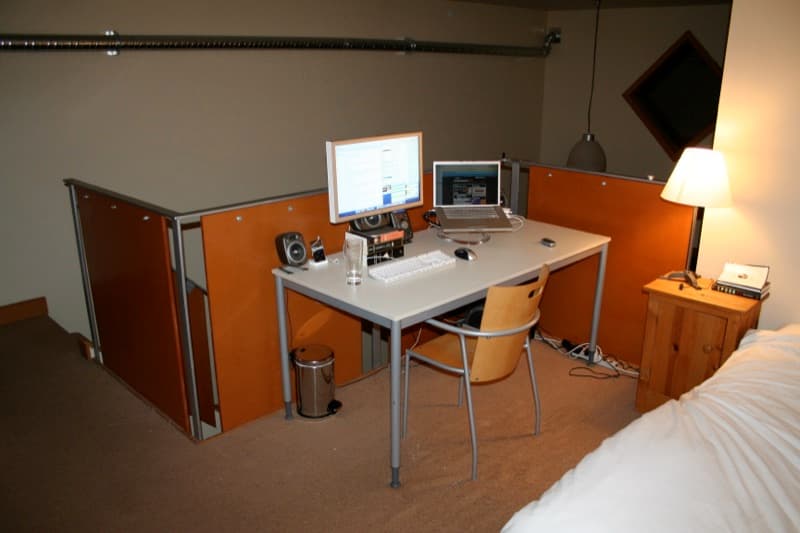
Andrew quits his barista job, signs a lease, and starts cold-emailing CEOs of startups he finds on TechCrunch. His 'team page' is photos of friends. The tagline: 'We help people make cool stuff.'
2008
Almost Bankrupt
The financial crash wipes out Metalab's clients overnight. Gifted Apple shares — sold in desperation — keep the lights on. The vow: never spend more than 10% of profits on lifestyle again.
2009
Chris Joins
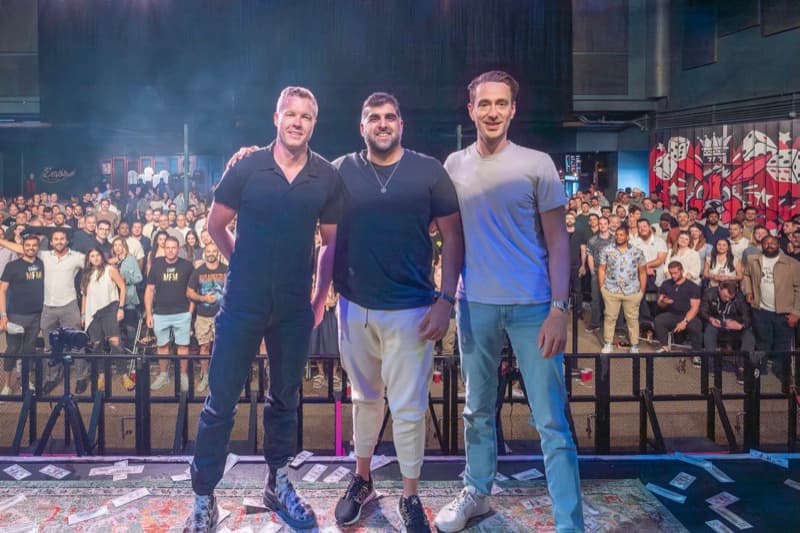
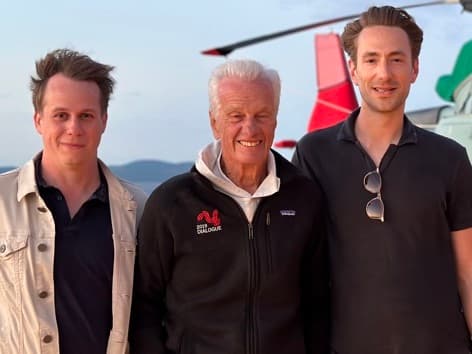
Andrew walks into a TD Bank for a credit card and meets a young financial advisor named Chris Sparling. He impulsively asks: 'Would you ever leave the bank? I need a CFO.' Chris quits and shows up in a suit. Andrew tells him nobody wears suits and speeds off.
2009
Pixel Union Takes Off
An intern named Liam builds Shopify themes as a side project. Sales notifications buzz so often Andrew's phone battery dies before lunch. They spin it out as Pixel Union — 'a barnacle on the whale that was Shopify.'
2013
The Buffett Revelation
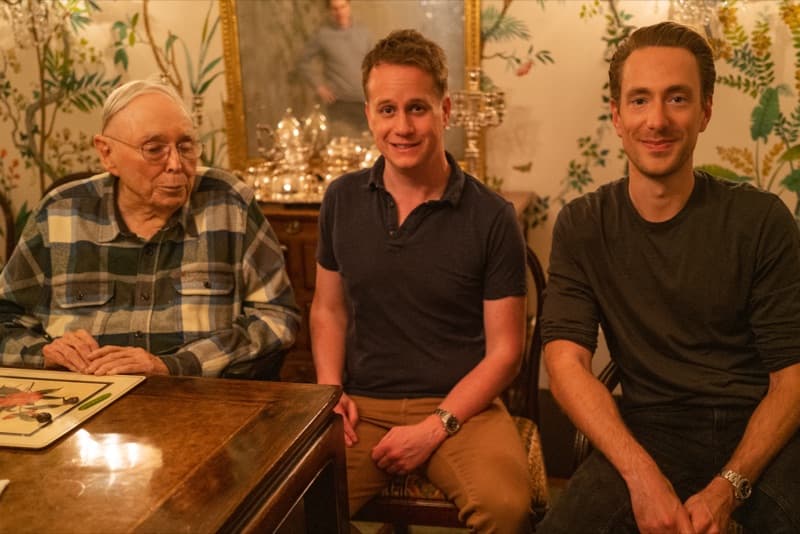
Burned out running five businesses at once, Andrew wanders into Bolen Books and picks up 'The Warren Buffett Way.' He stays up past midnight dog-earing pages. The idea that you could buy great businesses and just leave them alone changes everything.
2013
Designing Slack
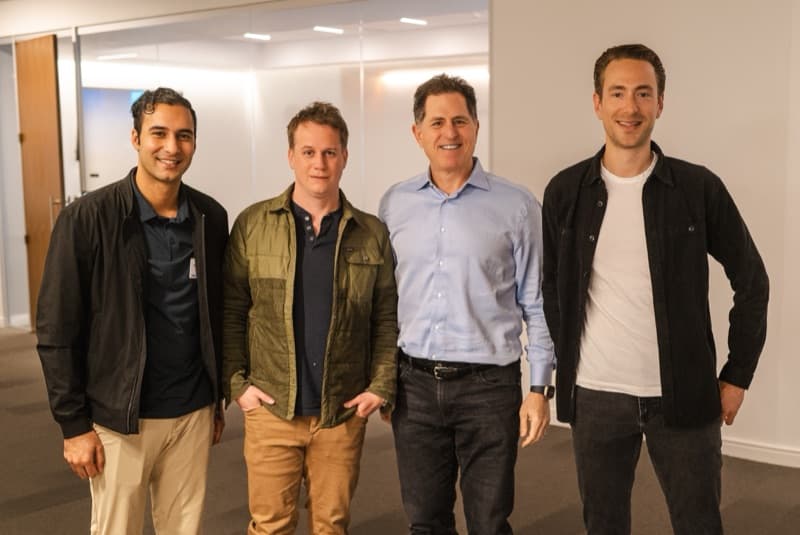
Stewart Butterfield calls with an $80,000 flat fee and a wild idea for a chat app. Metalab designs the logo, website, and apps in six weeks — video-game colors instead of corporate blue. Slack becomes one of the fastest-growing software companies ever built. The spotlight puts Metalab on the map, and the profits fuel what comes next.
2014
First Sale — and First Lesson
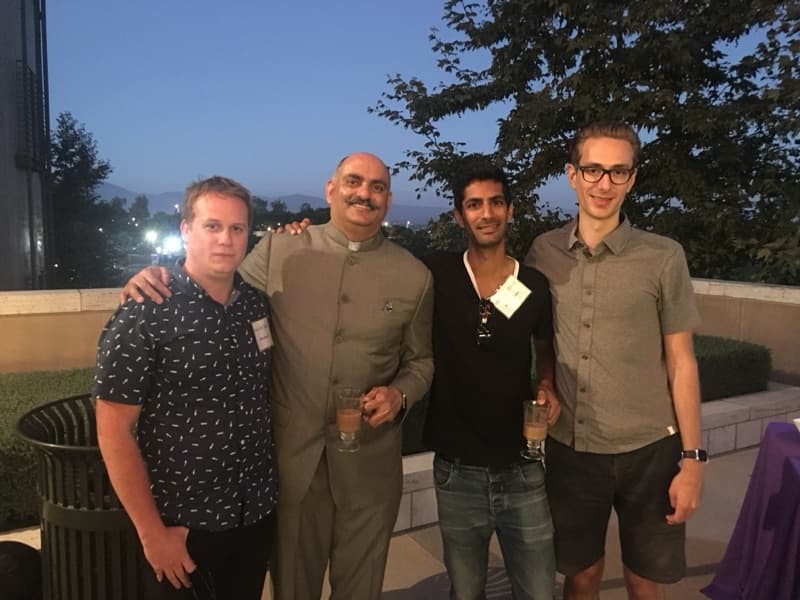
Pixel Union sells for $7 million. The price gets renegotiated, the team gets replaced, and the culture disappears. Andrew and Chris write down every lesson about what went wrong.
2017
Dribbble: The First Big Acquisition
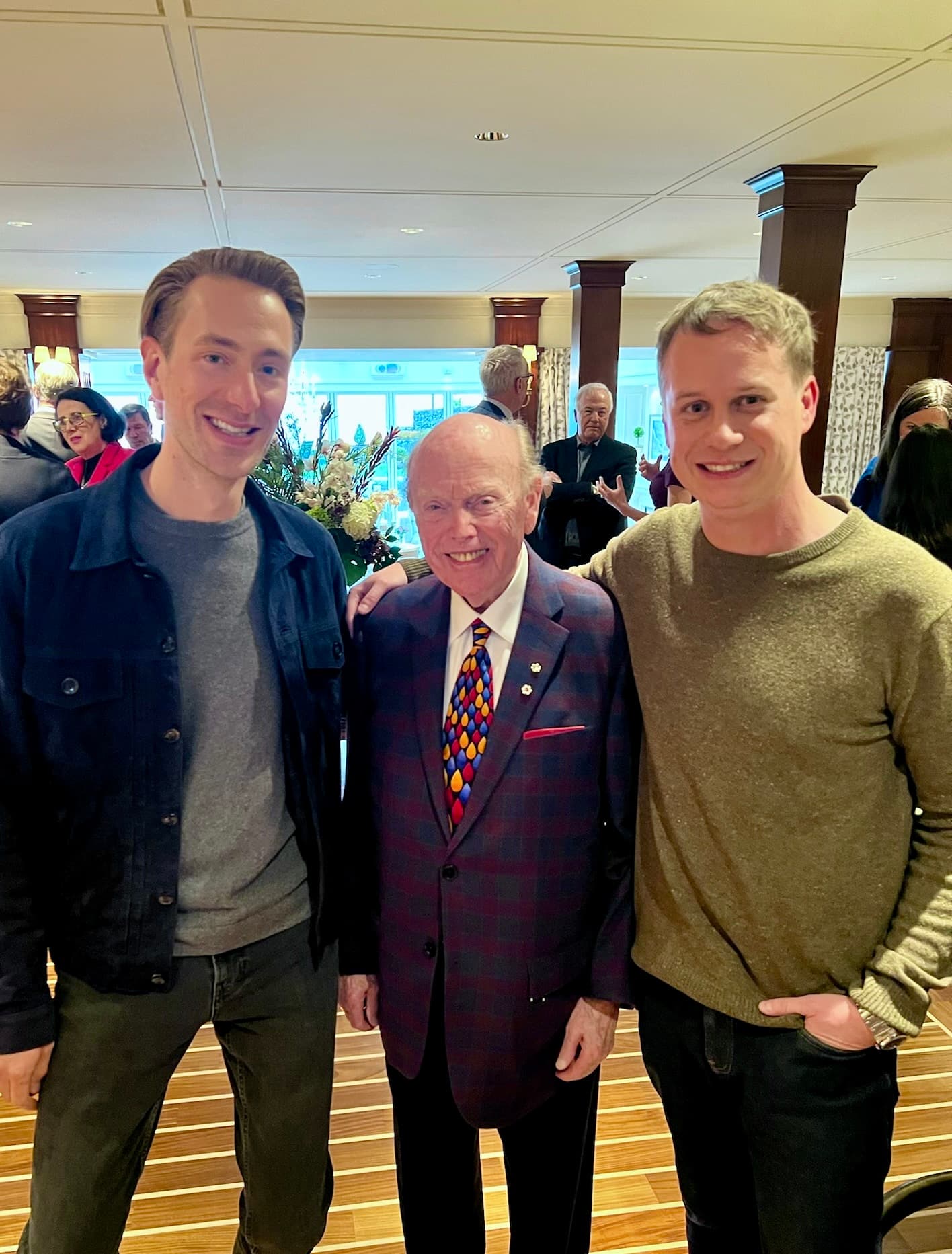
After months of polite one-line emails ('Hey Dan, ever considered selling?'), Dribbble's co-founders finally call. Andrew and Chris fly to Boston, ask what they hate about running the business, and offer to handle all of it. They personally guarantee the bank loan to close the deal.
2019
Pixel Union Bought Back
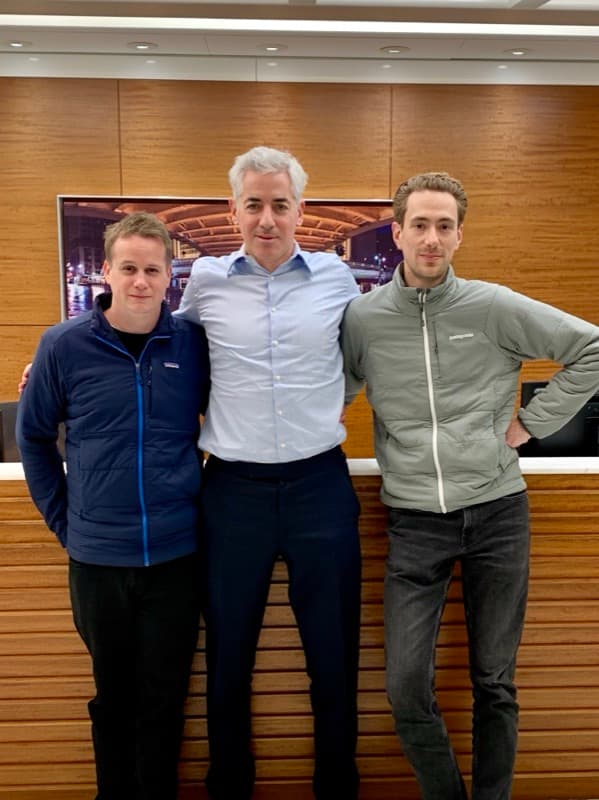
Andrew and Chris partner with Bill Ackman to buy Pixel Union back — for almost 4x what they sold it for. They form WeCommerce to build a portfolio of Shopify ecosystem businesses.
2021
WeCommerce Goes Public
WeCommerce lists on the TSX Venture Exchange, giving public investors access to a portfolio of Shopify ecosystem businesses for the first time.
2021
AeroPress: A $70 Million Cold Email
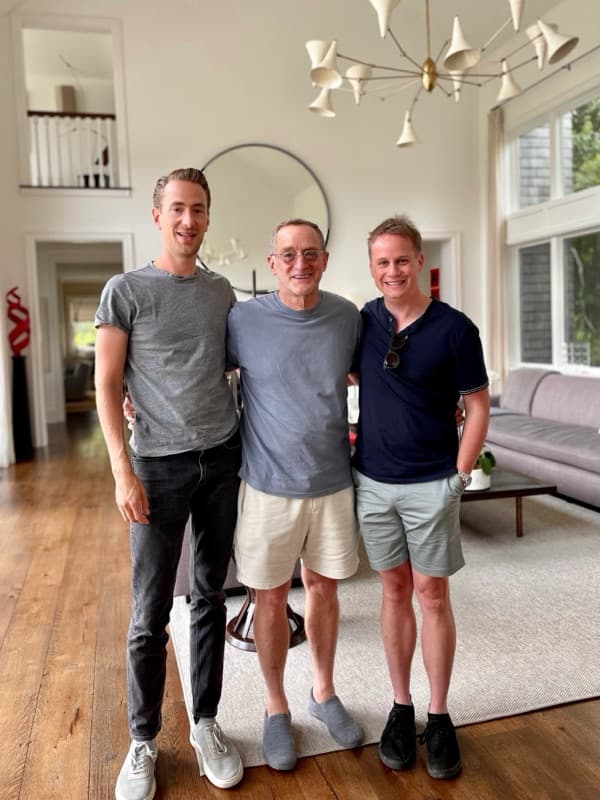
Andrew cold-emails a Stanford professor who invented the AeroPress. After months of persistence, they meet in Palo Alto. Alan Adler names his price: $70 million. Andrew says 'You've got a deal.' Online sales grow 500% in two years.
2023
Letterboxd: The Movie App That Hollywood Couldn't Build
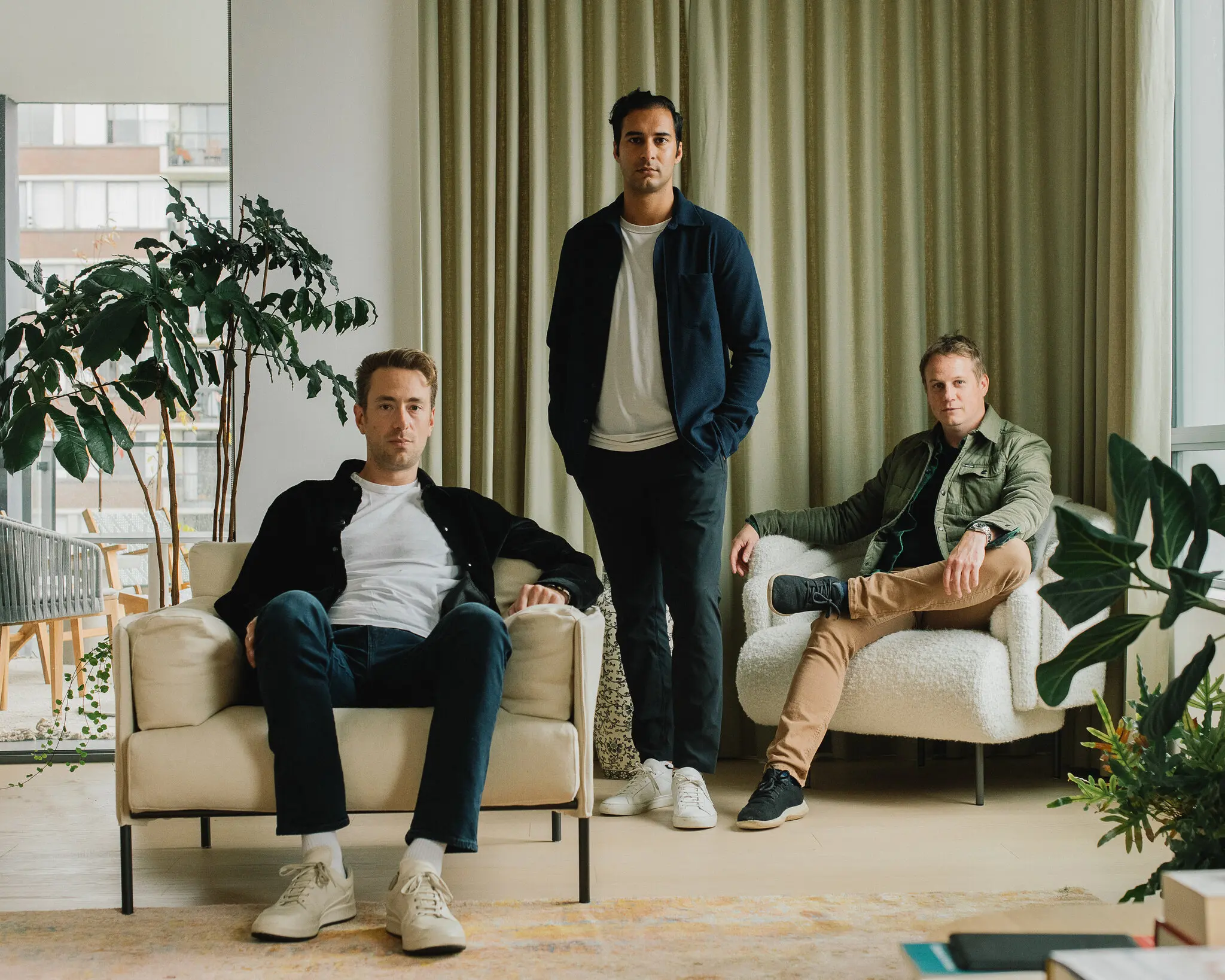
A designer and a developer in New Zealand built a simple diary for logging movies. Then film Twitter found it. Then A-list directors started posting year-end lists. 'Adding it to my Letterboxd' replaced 'I'll check it out' for an entire generation. Tiny acquires a majority stake — and the founders stay to keep building.
2023
Tiny Goes Public
Tiny merges with WeCommerce and lists on the Toronto Stock Exchange under the ticker TINY.
2025
Serato: A DM That Became a $106M Deal
Someone on X sees a post about Andrew's love of New Zealand and sends a DM. Six months later, Tiny acquires 66% of Serato — the 25-year-old Auckland software company behind most of the world's DJ booths.
“I was impressed by Andrew's very methodical and unwavering thesis to growing Tiny's shareholding in Buffer. They were very clear about their valuation mindset (different than silicon valley investors), and they loved our approach of being profitable (again different).”

Joel GascoigneCo-founder & CEO, Buffer
Our team

Andrew Wilkinson
Co-founder & Executive Chair

Chris Sparling
Co-founder & Executive Vice Chair
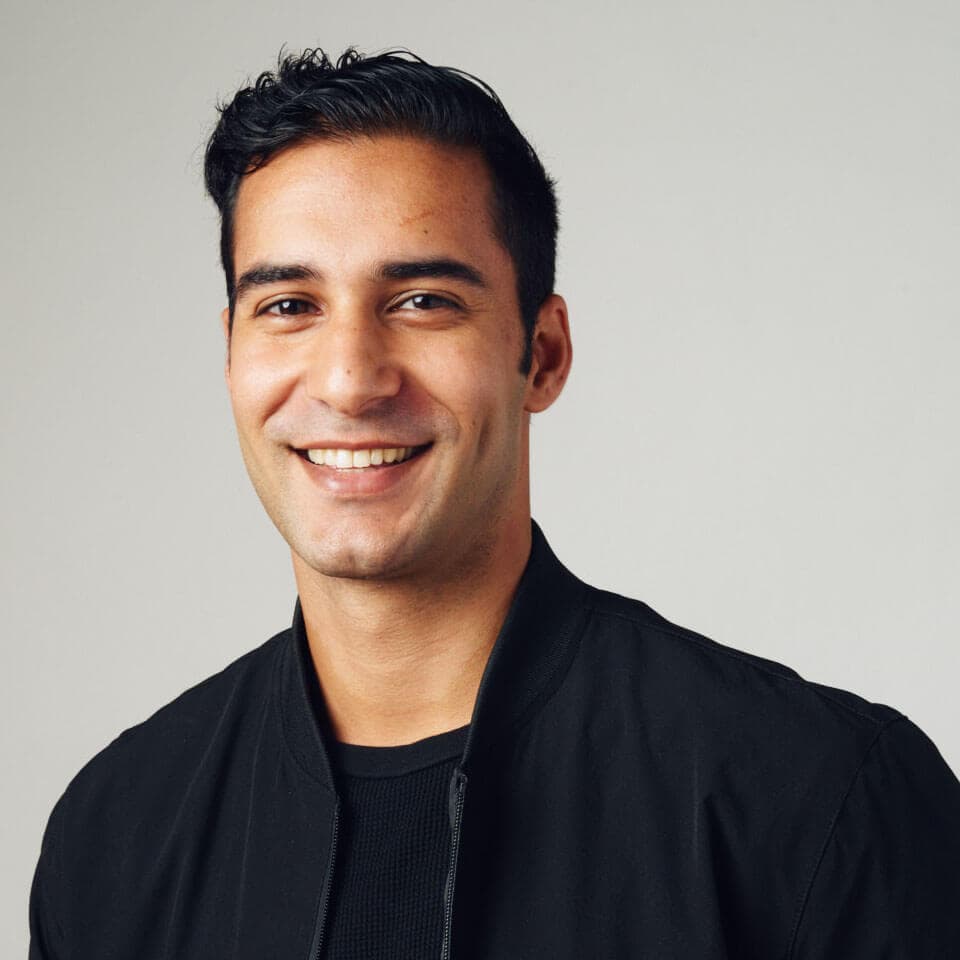
Austin Singhera
CEO
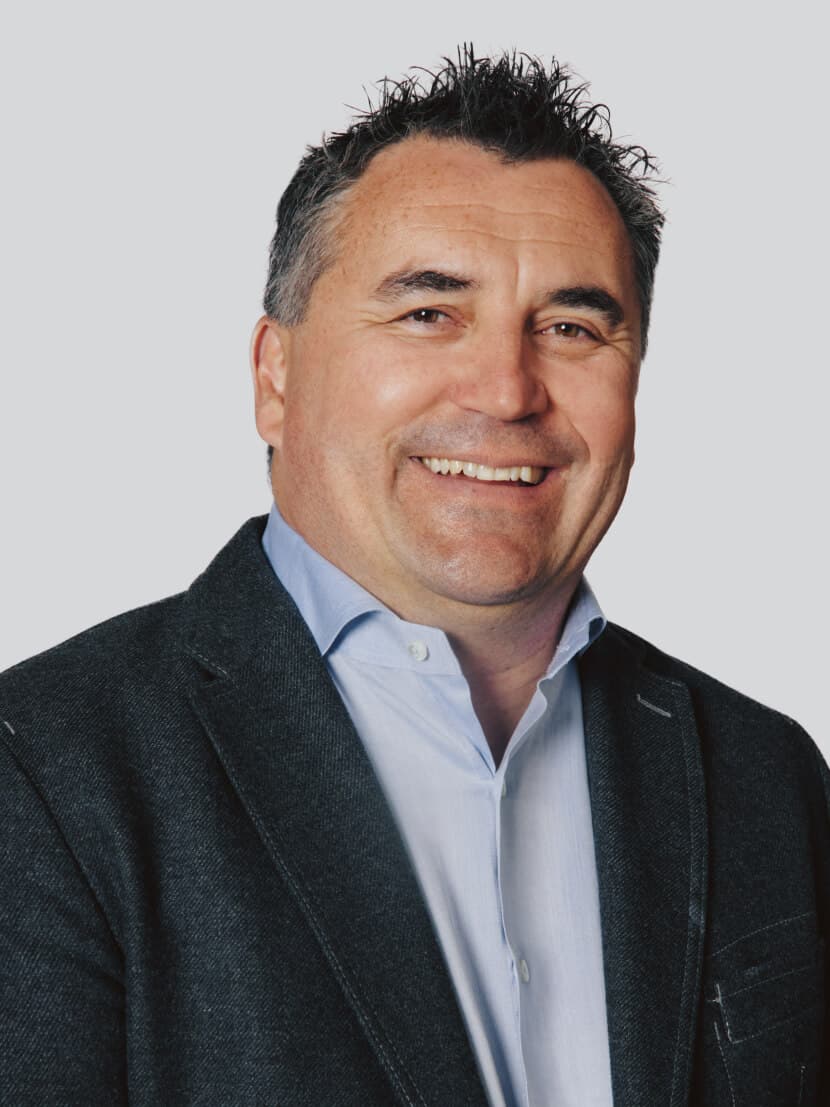
Mike McKenna
CFO

Hafeez Shariff
General Partner & Tax

Lisa Koronko
Partner, Finance

Brandon Green
VP Finance, Software and Apps

Jess Barry
VP Finance, Creative Platform

Will Smyth
VP Finance, Digital Services

Mich Reynaud
VP Finance, Tiny Fund

Michelle Trinh
VP, Corporate Finance

Caleb Bernabe
VP Operations

Karen Kler
Director of Operations

Dhaval Patel
Manager, Treasury & Finance

Pedro Gascon
M&A
How we operate
Every value is a scar. Here’s where each one came from.
Speak Plainly
Because PE firms speak in acronyms like “EBIT-DAH” and send analysts named Chase Bowmont Jr. from firms called Raptor Capital Partners.
Protect Culture
Because we sold a company to someone who promised to preserve it, then pushed growth at all costs. We bought it back for 4x the price.
Make Founders Proud
Because when we sold our first company, we wished the buyer had asked us what we wanted — not just what the business was worth.
Avoid Synergy
Because “synergy” is usually code for meddling, and the people who built the business know it better than we ever will.
No Assholes
Because we once hired a brilliant operator who doubled our revenue — then tried to bribe building inspectors and sued us for $15 million.
Leave People Alone
Because the people who built the business know it better than we ever will. Our job is to handle the stuff they hate, not tell them how to do the stuff they love.
“Fundraising is a challenging, miserable process. Even worse for female founders. Andrew and the team at Tiny made the process easy, and they are there when I need them but otherwise leave me to do my thing.”

Nicole SmithFounder, Flytographer